Large Bulk Bags: The Unitized Packaging Solution for Bulk Material Transportation
The storage and transportation of powdered and granular materials has long been a critical concern across chemical, building material, food, mining and metallurgy industries. Fine particles are prone to leakage, moisture absorption and oxidation, while conventional loading and unloading processes remain cumbersome with significant residual material after discharge. Traditional box and container packaging fails to meet large-scale unitized loading demands. For manufacturers, achieving efficient and convenient material handling while ensuring reliable sealing and load-bearing performance has been a persistent industrial challenge.
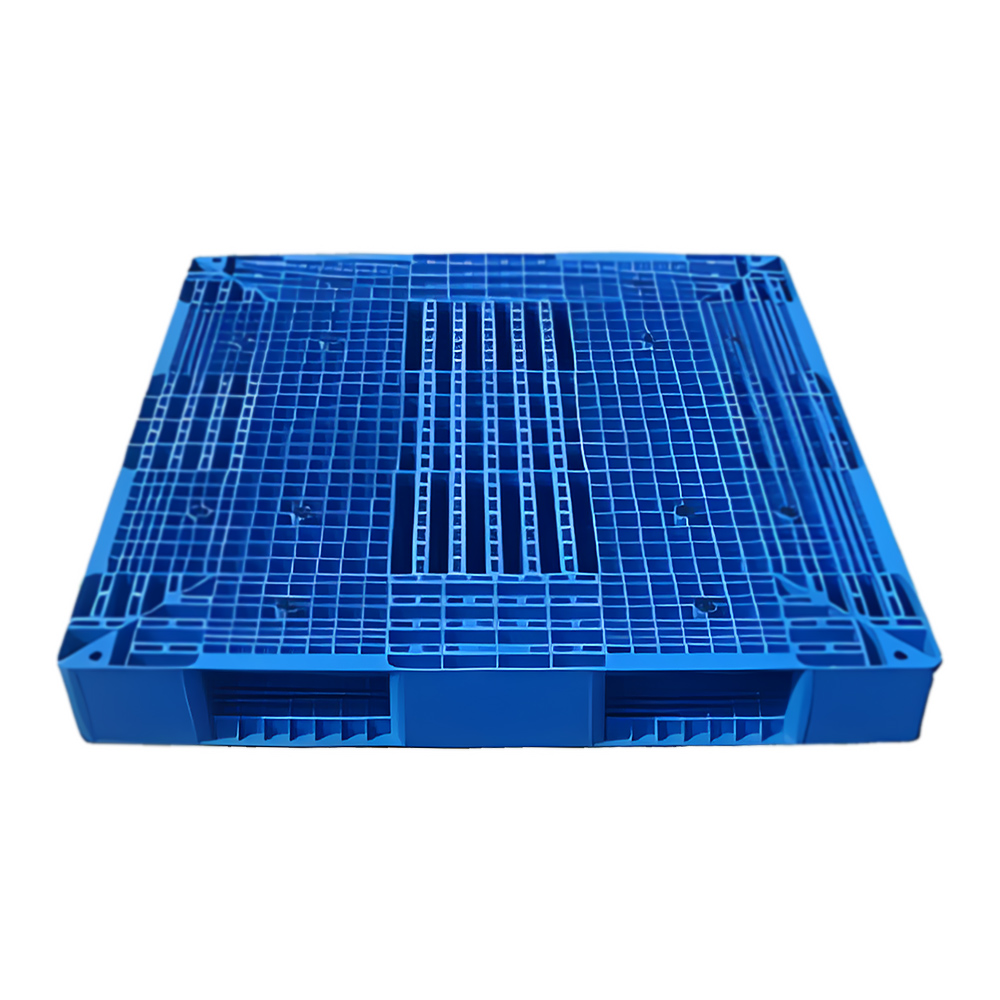
Unitized cargo packaging is a standardized logistics method designed to streamline operational procedures and reduce overall costs. Its core principle is to standardize goods into unified packaging units for mechanized loading, unloading and transportation. General containers and pallets are widely adopted for most general merchandise, yet they deliver limited performance for powdered and granular materials. Such conventional solutions involve complicated handling procedures, excessive material residue and inefficient post-discharge processing, making them unsuitable for bulk fine material logistics.
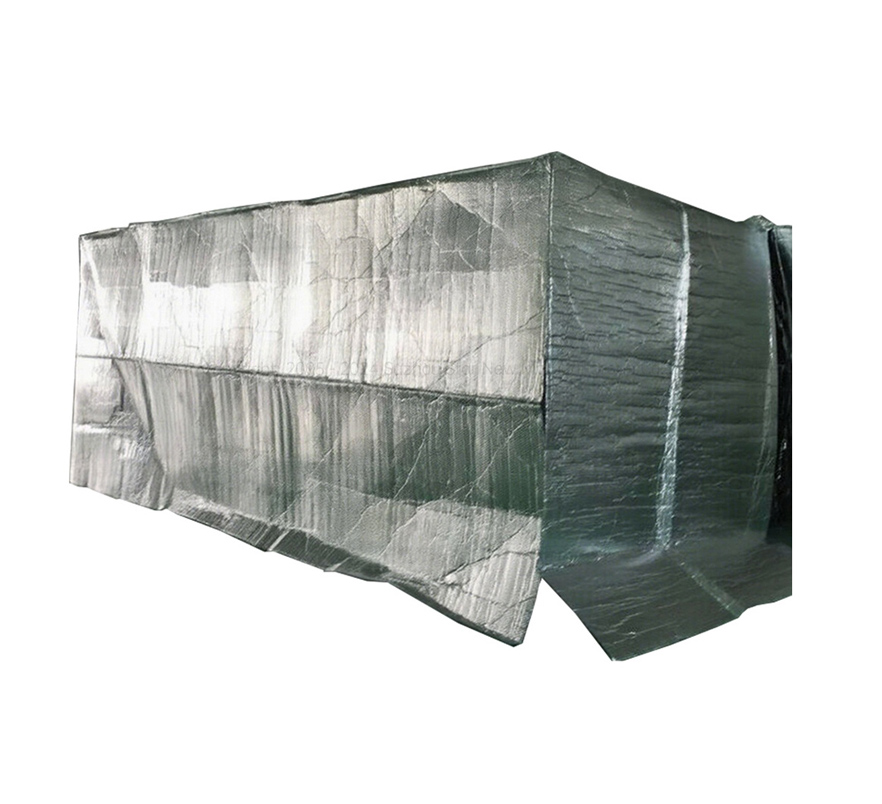
Industrial sectors require specialized packaging containers that support convenient loading, reliable sealing, multimodal transportation and simple post-usage processing. Bulk bags are tailored to meet these comprehensive requirements. Given the heavy-load transportation demands of bulk materials, industrial bulk bags are engineered with strict standards. Meanwhile, different powdered and granular materials have unique requirements for moisture resistance, oxidation prevention and light shielding, driving the development of professional bulk bags that integrate load-bearing stability, sealing performance and logistical convenience.
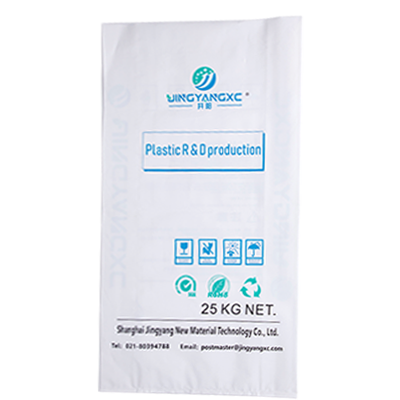
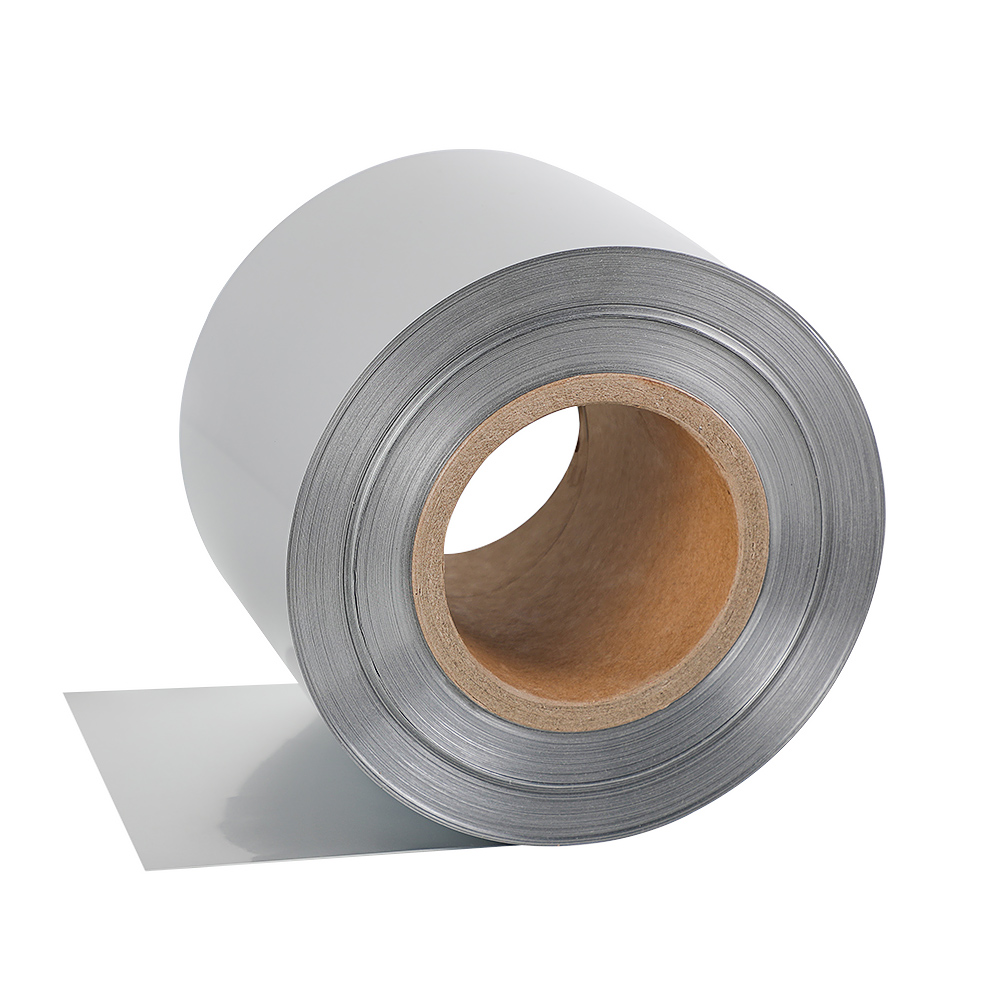
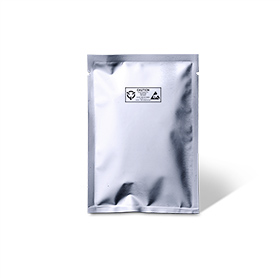
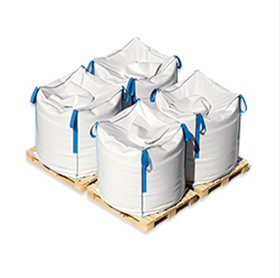
Characterized by large loading capacity, lightweight structure, foldable design and easy operation, industrial bulk bags are commonly known as ton bags. Standard woven bulk bags are categorized into multiple types based on application scenarios, including heavy-duty bulk bags, baffle bulk bags, anti-static bulk bags, conductive bulk bags and breathable bulk bags. For sensitive raw materials such as electrode materials, customized aluminum-plastic inner bags with matched outer bag specifications are adopted to deliver enhanced protection.
The core value of large bulk bags lies in standardized unitization. They consolidate scattered powdered and granular materials into unified cargo units, greatly simplifying loading and unloading workflows and reducing labor costs and transportation losses. Featuring light weight and foldable structure, bulk bags also offer superior convenience in warehousing, storage and recycling compared with metal containers. These reliable performances are supported by mature material selection systems, advanced composite technologies and standardized full-process quality control mechanisms.
The functionality of professional bulk bags covers multiple interconnected indicators including load capacity, sealing performance, moisture resistance, oxygen barrier and light shielding, all of which directly determine material quality and transportation safety. This requires rigorous manufacturing management spanning raw material inspection, composite processing and finished product testing. For enterprises in chemical, mining, metallurgy and new energy industries, high-quality large bulk bags not only improve logistics efficiency, but also protect product quality and corporate brand credibility.
Leveraging over two decades of industrial packaging expertise, Suzhou Star New Materials Group Co., Ltd. (referred to as Star Group) integrates Class 100 and Class 1000 cleanroom production systems with full-process capabilities of bag manufacturing, composite lamination and printing into large bulk bag production. The group provides reliable bulk material storage and transportation solutions for chemical, new energy and other industrial clients.
Star Group’s products are manufactured in line with high international standards benchmarking the semiconductor industry, supported by multiple independent patents and complete international certifications including RoHS and REACH. Backed by a three-dimensional industrial layout centered on the Yangtze River Delta, covering the Pearl River Delta, central and western China, Southeast Asia and global markets, Star Group coordinates production bases in Suzhou, Chengdu, Hubei, Huizhou and Vietnam. This multi-base collaborative supply system enables rapid localized responses to customized demands, delivery schedules and on-site service requirements for South China clients.